
What Does an Architectural Millwork Company Do? Services, Process, and How to Choose the Right Partner
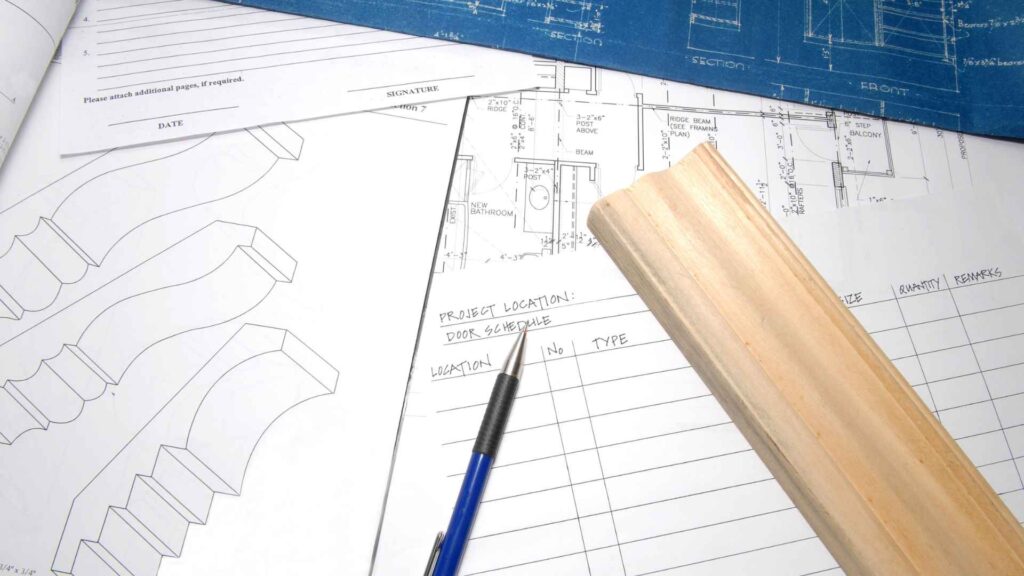
Turning an architectural concept into a finished commercial interior takes more than skilled woodworking. Every reception desk, wall panel, banquette, cabinet, and feature element has to fit the space, coordinate with other trades, and reflect the designer’s intent. An architectural millwork company helps bridge that gap between drawings and construction. From reviewing plans and developing shop drawings to fabrication and installation, the right millwork partner helps keep complex interior details accurate, buildable, and coordinated from start to finish. What Is an Architectural Millwork Company? Architectural millwork refers to custom-built interior components created specifically for a building or space. Unlike ready-made cabinetry or furniture, these pieces are usually designed around exact dimensions, finishes, performance requirements, and architectural details. Common examples include reception desks, custom cabinetry, wood wall panels, feature walls, bars, banquettes, built-in shelving, decorative trim, display fixtures, and ceiling elements. The work can involve solid wood, veneers, plywood, medium-density fiberboard, laminates, solid surfaces, metals, glass, and other materials. The Architectural Woodwork Institute’s material standards note that factors such as intended use, hardness, stability, appearance, and cost can influence material selection and the performance of finished architectural woodwork. Millwork specialists commonly work with architects, interior designers, general contractors, developers, and commercial property owners. Their responsibility is not simply to make attractive wood components. They must translate the design into something that can be fabricated, delivered, installed, and coordinated with the rest of the building. What Services Does an Architectural Millwork Firm Provide? The scope varies from one provider to another, but experienced millwork teams often participate in several stages of a project. The earlier they understand the drawings, materials, schedule, and surrounding construction, the easier it becomes to identify problems before fabrication. Design Review and Preconstruction Support Preconstruction typically begins with reviewing architectural drawings, elevations, specifications, finish schedules, and other project documents. The millwork team looks at whether the details shown can be built as intended. They may also identify missing information or areas where millwork interfaces with flooring, stone, glass, drywall, electrical systems, or other components. Early review can reveal questions that are much less expensive to answer on paper than in the field. Shop Drawings and Engineering Architectural plans communicate design intent, while shop drawings explain precisely how the millwork will be constructed. Shop drawings may show dimensions, materials, veneer direction, hardware, joinery, fastening methods, reveals, clearances, and connections to adjacent construction. They give architects, designers, and contractors an opportunity to review those details before production begins. Current AWI millwork and wood trim standards specifically address drawings and field measurements as part of the requirements governing millwork work. Custom Fabrication Once drawings are approved and materials are available, fabrication begins. Depending on the project, a millwork shop may produce: Modern fabrication can combine traditional woodworking skills with CNC equipment and other precision manufacturing tools. Regardless of how a component is produced, dimensions, joints, finishes, and repeated details need to remain consistent. Finishing and Material Coordination Finishes can be just as important as dimensions. A project may require stained wood, matched veneers, decorative laminates, painted finishes, solid surfaces, metals, or combinations of several materials. Samples and mockups can help confirm appearance before full production. For projects using composite wood products, material requirements can extend beyond appearance. The U.S. Environmental Protection Agency regulates formaldehyde emissions from products including hardwood plywood, medium-density fiberboard, and particleboard under TSCA Title VI. Delivery and Installation Good fabrication can still produce a poor result if installation is not coordinated properly. Installers need accurate field conditions and a jobsite that is ready for the work. They may need to coordinate closely with flooring installers, electricians, countertop fabricators, painters, glass contractors, and other trades. The goal is a final installation that looks intentional rather than assembled from disconnected parts. What Types of Projects Use Architectural Millwork? Custom millwork appears in commercial environments where standard products cannot provide the desired combination of fit, function, durability, and appearance. Restaurants, for example, may require custom bars, banquettes, host stands, service stations, wall treatments, and storage. These components need to withstand daily use while reinforcing the restaurant’s visual identity. Corporate offices often use millwork for reception areas, conference rooms, built-in storage, collaboration areas, and branded feature walls. Hotels may incorporate custom elements into lobbies, guest areas, restaurants, bars, and public spaces. Healthcare environments can require specialized casework and built-ins designed around workflow and cleaning requirements. Retail projects frequently rely on custom displays and counters that help merchandise products while maintaining a consistent brand experience. Millwork is also common in schools, universities, financial institutions, entertainment venues, and multifamily common areas. Wood paneling itself can involve far more than attaching decorative panels to a wall. ANSI/AWI 0642-2024 addresses wall and ceiling paneling made from materials including solid wood, veneer-faced cores, decorative laminate, solid surface, and solid phenolic, along with considerations such as veneer and panel matching. How Does the Architectural Millwork Process Work? Every project has different requirements, but successful millwork generally follows a structured path from design review through installation. Clear communication at each stage helps prevent small questions from becoming expensive field problems. Step 1: Review the Plans and Scope The team begins by understanding what has been specified and where its responsibility starts and ends. This review may include drawings, dimensions, finishes, hardware, materials, schedules, budgets, and interfaces with other trades. Scope gaps should be identified early. For example, it should be clear who is supplying countertops, specialty hardware, glass, electrical components, and other integrated materials. Step 2: Verify Conditions and Coordinate Details Some dimensions can be established from construction documents. Others must be confirmed in the field. Walls may not be perfectly straight or square. Floors and ceilings can vary. Electrical boxes, plumbing connections, doorways, columns, and other elements may affect the final dimensions. Verifying critical conditions gives the fabricator better information before producing components that need to fit those spaces. Step 3: Create and Approve Shop Drawings The millwork team converts the design into detailed fabrication information. Architects, designers, and contractors review these drawings and address questions through
When to Choose Custom Millwork – A.F. Johnson Millwork
Choosing between custom and modular millwork depends on how a space will be used, how often the design must be repeated, and how strongly the environment should represent the brand. In a recent episode of The Maker’s Intent, host Mike Downer speaks with Kyle Greenfield, president of A.F. Johnson Millwork, about when should a business choose custom millwork, when modular systems work better, and why long-term value matters more than price alone. The key takeaway is straightforward: modular millwork works well when consistency and repeatability are the priorities. Custom millwork becomes more valuable when a business needs a distinctive appearance, purpose-built functionality, or room to adapt later. When Does Custom Millwork Make the Most Sense? Custom millwork is often the better choice when a business wants its space to feel original and connected to its identity. As Greenfield explains, custom is ideal “when you want it to stand out and be one of one.” That matters most in customer-facing environments such as restaurants, bars, stores, reception areas, and showrooms. Materials, colors, finishes, textures, and built-in features influence how customers experience a business. The U.S. Small Business Administration notes that carrying a distinct customer experience into a physical space can help deepen customer relationships. Custom work also makes sense when standard products do not support employees’ actual routines. A desk, counter, cabinet, or display can be built around technology, storage, equipment, workflow, and available space rather than forcing staff to adapt to a generic layout. When Is Modular Millwork the Smarter Option? Modular millwork is usually practical when several rooms or locations require the same setup. Greenfield uses medical patient rooms as an example. Doctors and staff rotate between rooms, so keeping supplies, storage, and work surfaces in familiar locations supports consistency. Research available through the National Center for Biotechnology Information supports standardization in healthcare environments. Consistent room layouts can reduce reliance on short-term memory and help people use a space more safely and efficiently. Modular systems may also suit employee-only areas, temporary locations, franchises, or growing businesses that need repeatable installations. When specialized functions and visible branding are less important, a well-made modular solution may provide everything the business needs. Is Custom Millwork Much More Expensive? Custom millwork may require more engineering and planning at the beginning, but the difference between quality modular and custom work may be smaller than owners expect. Cost depends on the materials, finishes, size, complexity, and number of pieces. The better question is what the business receives over the installation’s full life. A custom fixture that improves workflow, strengthens the brand, fits correctly, and lasts for years may offer greater value than a cheaper unit that soon requires alterations or replacement. Greenfield emphasizes that businesses may own these environments for years, while customers and employees experience them daily. In that context, extra upfront design work can become a small part of the long-term investment. How Can Millwork Improve Efficiency? Well-designed millwork should make everyday tasks easier. Storage can sit where employees naturally reach for it. Technology can be incorporated into the layout, and work surfaces can be sized for specific tasks. This supports guidance from the Occupational Safety and Health Administration, which recommends reviewing workstation designs, work practices, and production processes as part of an ergonomics program. Efficiency may also improve business performance. When employees spend less time searching for supplies, moving around awkwardly, or working around poor layouts, they can focus more attention on productive work and customers. Why Does Future Adaptability Matter? Businesses should consider how quickly products, equipment, technology, or customer expectations may change. Greenfield describes a retailer that frequently replaces product displays. Instead of removing an entire wall each time, removable panels could allow faster updates with less downtime. The U.S. General Services Administration likewise recommends adjustable and reconfigurable workplace elements that accommodate different tasks and functions. Custom does not have to mean fixed forever. A thoughtful design can include adjustable shelves, removable panels, replaceable sections, or space for future equipment. What Are the Hidden Costs of Choosing the Wrong System? An inexpensive modular setup can become costly when a business outgrows it sooner than expected. The owner may need to add mismatched components, modify the original installation, or replace it entirely. Other costs are less obvious. Poor storage, awkward work surfaces, limited adaptability, and inconsistent employee environments can affect comfort and efficiency. Greenfield recalls one business where employees preferred the custom area so strongly that the company later remodeled the older back-of-house section to match it. Before deciding when should a business choose custom millwork, owners should evaluate daily use, repeatability, brand visibility, employee needs, future changes, and the expected lifespan of the installation. FAQs Is custom millwork only for customer-facing spaces? No. It can also improve employee areas that need specialized storage, equipment placement, or workflows. Is modular millwork always cheaper? No. High-quality modular products may be close in price to custom work, especially after modifications. Can custom millwork be changed later? Yes. Designs can include removable panels, adjustable shelving, and replaceable sections. Who benefits most from modular millwork? Medical offices, franchises, and multi-location businesses with repeated layouts often benefit most. How does custom millwork support branding? It uses distinctive materials, colors, textures, and features to create a recognizable atmosphere. What should a business consider first? Start with how the space will be used, repeated, seen, and adapted over time.
Custom vs Modular Millwork – A.F. Johnson Millwork
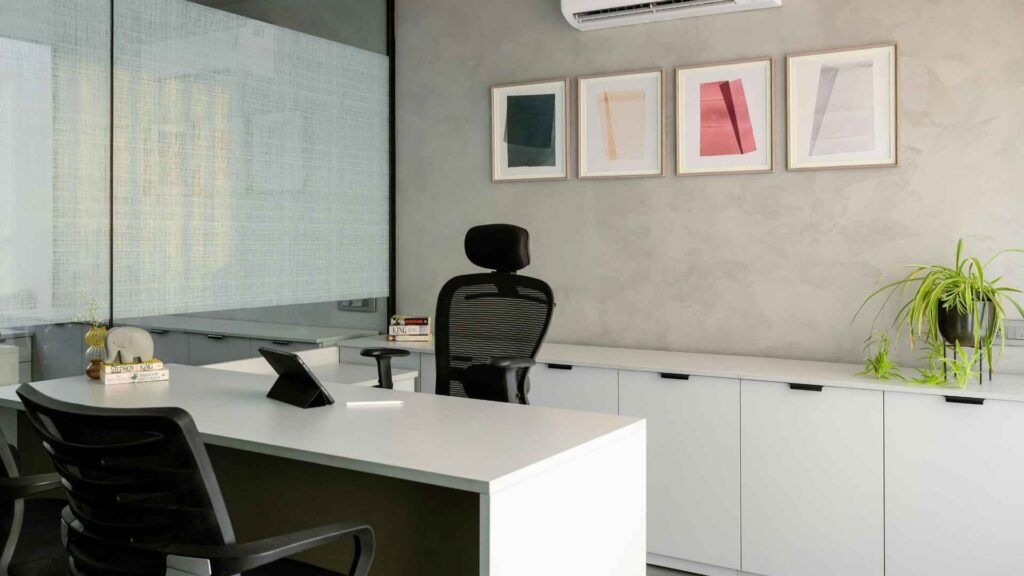
Choosing between custom and modular millwork depends on how the space will function, whether the design must be repeated, and how strongly the environment needs to reflect the business’s brand. In most custom vs modular millwork decisions, custom construction offers greater control over appearance and workflow, while modular systems provide consistency across similar rooms, workstations, or locations. The best option is not always the cheapest or most elaborate one. It is the solution that supports daily operations, serves employees and customers, and remains useful as the business changes. AF Johnson Millwork helps businesses evaluate those priorities before design and fabrication begin. What Is the Difference Between Custom and Modular Millwork? Custom millwork is designed and fabricated for a particular space, purpose, or brand. Modular millwork uses standardized components that can be installed repeatedly in similar configurations. A custom reception desk, display wall, workstation, or storage system can be built around exact dimensions, equipment, employee tasks, and visual preferences. The business has more control over materials, finishes, hardware, storage, and layout. Modular millwork is based on repeatable cabinets, panels, counters, and shelving. It works well when several rooms or locations need the same setup. Because the components do not need to be redesigned for every installation, modular systems may require less engineering for repeated spaces. Consideration Custom millwork Modular millwork Design Created for a specific space Built from standardized components Appearance Distinctive and brand-specific Consistent and repeatable Function Built around exact tasks Designed for common uses Engineering More project-specific planning Less redesign for repeated units Best use Specialized or customer-facing spaces Similar rooms and workstations Adaptability Can include custom changeable features Can be rearranged if the system permits Neither approach is automatically better. The right choice depends on what the business needs the space to accomplish. When Should a Business Choose Custom Millwork? A business should choose custom millwork when standard products would limit its workflow, appearance, storage, or use of space. It is especially valuable in customer-facing areas and specialized work environments. Kyle Greenfield, president of AF Johnson Millwork, explains the decision simply: “When you want it to stand out and be one of one, or one of just yours, and you’re trying to create your own look, then you want to go custom.” Custom millwork may make sense for: The goal is not to make a space different only for the sake of being different. Custom millwork should solve a practical problem, strengthen the brand, or help people use the area more effectively. When Is Modular Millwork the Better Choice? Modular millwork is often the better choice when consistency and repeatability matter more than individuality. It allows businesses to create similar rooms or workstations without designing every component from the beginning. Medical offices are a clear example. Doctors and staff may move between several patient rooms during the day. When cabinets, supplies, counters, and equipment are arranged consistently, employees do not have to relearn the setup each time they enter a different room. The Center for Health Design’s patient-room planning resources recommend evaluating user behaviors, storage, safety, equipment, and room functions before finalizing a healthcare layout. That guidance supports the use of repeatable room designs when staff members perform the same tasks in multiple spaces. Modular millwork can also work well in: Modular does not mean low quality. Higher-end systems can use durable materials and finishes while still providing the efficiency of a standardized design. Is Custom Millwork Much More Expensive? Custom millwork often includes additional design and engineering costs, but the difference may be smaller than expected when it is compared with a high-quality modular system rather than the least expensive prefabricated option. The final price depends on: Modular systems gain efficiency through repetition. Once a component has been designed, it can be produced several times without repeating the full engineering process. Custom work requires more planning at the beginning. Greenfield notes that, depending on the size of the piece, this may involve only a few additional engineering hours. That added cost can be reasonable when the finished installation will support the business for many years. Business owners should compare total value, not just the initial price. A less expensive setup may cost more if it must be replaced, modified, or expanded sooner than expected. How Can Millwork Improve Workflow? Millwork improves workflow when storage, equipment, supplies, and work surfaces are arranged around the tasks employees perform every day. A well-planned layout can reduce unnecessary movement and make the space easier to use. The Occupational Safety and Health Administration defines ergonomics as fitting a job to a person. OSHA states that ergonomic improvements can reduce muscle fatigue, increase productivity, and lower the number and severity of work-related musculoskeletal disorders. That principle applies to commercial millwork. A workstation can be planned around: A standard desk may fit within a room but still create daily frustration. Employees may need to reach across equipment, walk repeatedly to distant storage, or work around poorly placed cabinets. AF Johnson Millwork begins by learning how people will use the area. That information helps determine where work surfaces, drawers, shelving, technology, and equipment should be placed. How Can Custom Millwork Support a Business’s Brand? Custom millwork supports a brand by turning its colors, materials, textures, and design style into a physical customer experience. It can help a business feel welcoming, polished, modern, traditional, relaxed, or premium. Customers judge a business by more than its logo. They also notice the reception counter, shelving, displays, work surfaces, finishes, lighting, and overall condition of the environment. A 2023 study published through the National Library of Medicine examined how the physical service environment affects customer perceptions and behavior. The researchers found that environmental quality contributed to perceived service quality and behavioral intentions among the 271 patients studied. This connection is especially important in retail, hospitality, food, and beverage businesses. A warm wood finish can help a restaurant feel comfortable. Clean lines and refined surfaces can give an office a more sophisticated appearance. A well-planned display can draw attention toward featured products. AF Johnson Millwork helps businesses
How Does Millwork Impact Retail Sales – A.F. Johnson
Custom millwork can influence retail performance by improving product presentation, directing customer movement, reinforcing brand identity, and creating a more comfortable shopping environment. In this episode of The Maker’s Intent, host Mike Downer speaks with Kyle Greenfield, president of AF Johnson Millwork, about how does millwork impact retail sales. Their conversation shows that fixtures are not simply functional objects. Their layout, lighting, materials, colors, and finishes can shape how customers experience a store and interact with its products. How Can Millwork Make Products More Appealing? Custom millwork can make products more noticeable by controlling where they are placed, how they are framed, and how customers approach them. Display cases, shelving, counters, and wall fixtures can create clear focal points while preventing merchandise from getting lost in a crowded space. Greenfield explains that one purpose of millwork is “to help showcase whatever they’re selling.” When lighting is integrated into a display, it can draw attention to individual products and make their details easier to see. Research supports the importance of this approach. A field study published in the Journal of Business Research found that supplemental display lighting positively affected several customer behaviors, including the time shoppers spent near displays and how often they handled merchandise. The specific effects depended on the display, which reinforces the importance of designing lighting and fixtures as one coordinated system. How Does Fixture Layout Guide Customer Behavior? Fixture layout can influence where customers walk, which areas they explore, and what products they encounter along the way. Large display units, reception desks, counters, and other architectural elements can create natural pathways through a retail environment. Greenfield notes that retailers can use substantial fixtures to encourage customers to move around them or travel in a particular direction. This allows a store to guide shoppers toward featured collections, promotional areas, or products that might otherwise be overlooked. Unusual shapes and angles can also make a space more memorable. A welcome desk installed at an unexpected angle may organize customer traffic while becoming a visual conversation piece. A field study published through SAGE found that store layout and atmospheric elements influence consumer perceptions, satisfaction, and decision-making. The research also connected emotional reactions to the retail environment with impulse-buying behavior. This suggests that layout decisions can affect more than navigation. They can contribute to the overall emotional experience of shopping. Why Does a Consistent Store Experience Matter? A consistent environment helps customers recognize a brand and understand what to expect from it. Shoppers may look for familiar colors, display styles, finishes, layouts, and service areas whenever they visit another location. Greenfield explains that retailers often want customers to have a similar experience whether they are visiting a store on the East Coast or West Coast. That goal influences what the millwork team builds, how fixtures are arranged, and how customers are expected to move through the space. Familiarity can create comfort and trust. Greenfield compares entering a familiar branded environment to visiting a friend. Customers already recognize the atmosphere, which can make them feel more relaxed and open to browsing. Consistency does not require every location to be identical. Custom millwork can preserve the brand’s core visual identity while adapting fixtures to different floor plans, customer needs, and building requirements. How Do Materials Communicate Brand Identity? Material and finish choices help customers understand whether a brand is luxurious, practical, modern, traditional, playful, or environmentally conscious. High-gloss finishes, natural wood, metal accents, glass, laminates, and textured surfaces each send a different message. Greenfield uses jewelry stores as an example. Polished finishes, carefully constructed displays, and focused lighting help create an upscale atmosphere. Before customers examine the merchandise closely, the environment has already suggested that the products are valuable. Academic research published in the Journal of Environmental Psychology found that retail lighting can affect shoppers’ perceptions and emotional responses. The study did not find that lighting alone consistently changed customer behavior, but it showed that lighting can communicate a store’s image and influence how the atmosphere feels. Color also plays an important role. Greenfield explains that some retailers become so strongly associated with certain colors that customers can recognize the brand from the fixtures even when no logo is visible. Why Do Major Brands Invest in Custom Millwork? Major retailers choose custom millwork because standardized fixtures may not communicate a distinct identity. Custom pieces can reflect a company’s colors, customer journey, product categories, and desired atmosphere. Millwork can also help an established brand evolve. Greenfield describes working with designers as retailers update parts of their identity. New finishes, display systems, or fixture designs can refresh a location and give customers a reason to return. AF Johnson Millwork contributes practical knowledge during this process. Its team may suggest materials or construction methods that complement the designer’s concept while making the finished fixture durable, functional, and visually distinctive. Can Sustainable Millwork Strengthen a Brand? Sustainable millwork can make a company’s environmental values visible. Reclaimed wood, reused materials, and long-lasting construction give customers tangible evidence of what the business supports. Greenfield discusses a project using recycled wood for millwork, flooring, and large doors. The material may be approximately 100 years old, yet it has been recovered and prepared for another long period of use. This choice creates more than an attractive finish. It gives the space a story and demonstrates that the organization values reuse instead of unnecessary waste. Creating a Retail Space That Supports Sales The most effective retail environments connect physical design with clear business goals. Custom millwork can showcase products, guide traffic, support brand recognition, communicate value, and improve the overall customer experience. For retailers asking how does millwork impact retail sales, the answer lies in how every fixture, light, finish, material, and layout decision supports the customer’s path from entering the store to completing a purchase. Frequently Asked Questions What is retail millwork? Retail millwork includes custom-built counters, display cases, shelving, reception desks, wall panels, product stands, and other architectural fixtures. Can custom millwork increase retail conversions? Custom millwork can support conversions by improving product visibility, organizing customer movement, reinforcing the
Retail Millwork & Custom Store Fixtures – A.F. Johnson
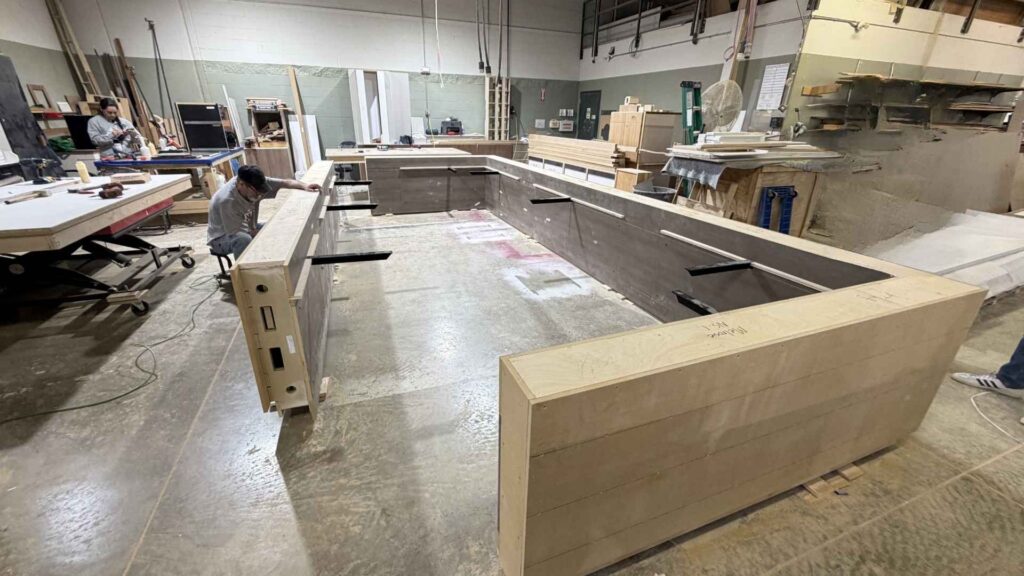
Custom fixtures can support retail sales by making products easier to see, guiding shoppers through the store, strengthening brand identity, and improving the overall experience. Effective retail millwork does more than fill space. It connects layout, lighting, materials, and merchandising to the way customers move, browse, compare products, and decide whether a store feels worth their time. A well-designed environment cannot replace good products, fair pricing, or strong service. It can, however, reduce friction. Research published in Computers & Industrial Engineering found that department placement can change shopper paths and product visibility, both of which affect how customers experience a store. What is custom millwork in a retail environment? Custom millwork includes made-to-order displays, counters, shelving, wall systems, product cases, welcome desks, and service stations created for a specific store. Unlike standard fixtures, custom pieces can be built around the merchandise, floor plan, customer traffic, brand standards, lighting, and daily operating needs. AF Johnson Millwork treats these elements as part of the full customer experience. The goal is not simply to create an attractive fixture. It is to help the store function better, present products clearly, and stay true to the designer’s intent. How does custom millwork make products easier to notice? Custom millwork improves visibility by controlling display height, spacing, lighting, contrast, and sightlines. A fixture can elevate a featured item, separate a new collection, or create a visual pause that encourages customers to stop. In The Maker’s Intent, AF Johnson Millwork President Kyle Greenfield says millwork can “help showcase whatever they’re selling.” He also explains that lighting and strategic placement can direct attention toward specific products. A study in the European Journal of Operational Research found that rack orientation can affect product exposure under certain viewing conditions. The broader lesson is simple: fixture placement changes what customers see and how long it remains in view. How can fixtures guide customers through a store? Fixtures guide movement through their size, shape, angle, and placement. Large pieces can define pathways. Lower displays can preserve sightlines. Welcome desks can establish a starting point. Feature walls can draw customers deeper into the space. Greenfield explains that larger fixtures can encourage people to move in a chosen direction. He also notes that desks or welcome areas placed at unusual angles can become conversation pieces and create a bold first impression. The strongest layouts feel natural. Customers should understand where to go without feeling forced. Custom fixtures help create that sense of direction while supporting the store’s products, traffic patterns, and service areas. Why does customer flow matter for retail sales? Customer flow affects which products shoppers encounter, how easily they navigate, and whether the store feels comfortable or confusing. A poor layout can create bottlenecks, hide departments, interrupt sightlines, and make checkout difficult to find. A stronger layout creates a clear sequence from entry to product discovery to purchase. Research using shopper-path models found that department placement changes which areas become visible as customers move through a store. Separate customer-tracking research also found that observing real shopper movement can reveal layout and service-placement problems. Every fixture should therefore be evaluated as part of the larger customer journey. How does custom millwork strengthen brand identity? Custom millwork turns brand identity into a physical experience. Colors, materials, finishes, shapes, and repeated details can make a store recognizable before a customer sees the logo. Greenfield explains that retailers often want customers to have a similar experience across locations, whether they visit on the East Coast or West Coast. That consistency affects what AF Johnson Millwork builds and how customers are expected to use the space. A familiar service counter, display style, color palette, or layout can make a store easier to recognize and navigate. Consistency also helps multi-location brands create a dependable experience without making every space feel identical. How can the store environment affect customer comfort? The store environment can make customers feel relaxed, curious, rushed, or overwhelmed. Millwork contributes through organization, spacing, scale, finish quality, and coordination with lighting and signage. Greenfield compares a positive branded environment to returning to see a friend. When customers feel comfortable in one location, that familiarity can carry into another store under the same brand. A study comparing two furniture stores found that customer mood and satisfaction were stronger in the more pleasant environment. Another study found that layout, signage, and the broader servicescape can shape shoppers’ emotional responses. Millwork does not guarantee a sale, but it helps create an environment where customers feel more comfortable browsing. How do materials and finishes influence perceived value? Materials and finishes tell customers what kind of experience to expect. High-gloss surfaces, glass, metal, rich wood tones, and refined lighting can communicate luxury. Matte finishes, textured laminates, or reclaimed wood may suggest warmth, durability, craft, or environmental responsibility. Greenfield uses high-end jewelry stores as an example. Polished finishes and carefully lit displays help customers understand that they are entering a premium environment. He makes a similar point about cosmetics stores, where the space often feels more elevated than a standard department aisle. Appearance still has to match performance. Materials must withstand cleaning, moisture, impact, and daily wear. The best option is the one that supports the brand, fits the budget, and performs well over time. How can lighting improve product presentation? Lighting and millwork work together by directing attention and helping customers see products clearly. Shelf lighting, backlit panels, display-case lighting, and accent lighting can give featured merchandise more visual emphasis. The fixture affects how that light performs. Reflective finishes may create glare. Dark surfaces may require more illumination. Deep shelves can cast shadows. Glass can improve visibility but requires careful positioning. Lighting should be considered early in the design process. The retailer, designer, lighting specialist, and millwork manufacturer should coordinate dimensions, wiring, access points, and maintenance before fabrication begins. The goal is not to light every item equally. It is to create a visual hierarchy that shows customers what to notice first. Can custom fixtures help a retailer stand apart? Custom fixtures can create a store experience that competitors cannot easily copy. Distinctive
Retail Brand Consistency Millwork – A.F. Johnson Millwork
Building one high-quality retail fixture takes skill. Producing hundreds of fixtures that look, fit, and perform almost exactly the same requires advanced technology, strict quality control, careful planning, and dependable shipping. In an episode of The Maker’s Intent, host Mike Downer speaks with Kyle Greenfield, president of AF Johnson Millwork Company, about how the company maintains quality across large retail rollouts. The key takeaway is that consistency must be managed throughout the entire process—from material selection and CNC cutting to packaging and nationwide delivery. For national retailers, reliable retail brand consistency millwork helps ensure customers receive the same familiar experience at every location. Why Are Nationwide Retail Rollouts So Difficult? Retail brands often want every store to look and feel the same. A fixture installed in Arizona should closely match one installed in Mississippi, even though the products may encounter completely different climates. Humidity, heat, cold, storage conditions, and transportation can all affect millwork. Kyle recalls a project that was shipped to Phoenix and left inside a trailer for two weeks during the summer. “When they pulled it out, all the edging had fallen off,” he says. “It just flat-out fell off.” The intense heat had affected the adhesive. Experiences like this help manufacturers determine which glues, materials, finishes, and construction methods are suitable for different environments. Maintaining consistency therefore involves more than copying the same design. The finished product must also survive shipping, storage, installation, and long-term use. How Does CNC Technology Create Consistent Fixtures? AF Johnson Millwork Company uses a CNC router for approximately 95% of its cutting. Once the team develops a finished product that meets the customer’s expectations, the programmed design can be repeated across the entire production run. Traditional cutting methods involve moving large sheets across a table saw. Even experienced craftspeople may introduce small variations because the material can shift while being handled. With a CNC router, the sheet remains stationary while the cutting head moves across it. According to Kyle, the process becomes “way cleaner” and “way tighter” because it reduces the inconsistencies associated with manually guiding large materials. CNC technology does not replace skilled craftspeople. Instead, it gives them accurate, repeatable components that can be assembled and finished according to the same specifications. How Does Material Selection Affect Consistency? Machines can repeat the same cut, but natural materials are never completely identical. Hardwood can vary in grain, color, knots, straightness, and stability. A board may be cut accurately and still twist or change shape later. AF Johnson Millwork Company inspects materials before production begins. If a project requires 50 matching pieces, the company may order 70 or 80 to find enough materials with a similar appearance and quality. Boards that are overly grainy, twisted, heavily knotted, or visually inconsistent may be removed from the production run. This additional material selection helps prevent noticeable differences between fixtures. Kyle explains that hardwood can sometimes move even after cutting: “We can make a cut and have it dead on, then come back the next day and it will have twisted itself.” When that happens, the only reliable solution may be to remake the component. What Quality Standards Guide Production? Many commercial millwork specifications are based on standards established by the Architectural Woodwork Institute, commonly known as AWI. Architects and designers can specify the required quality level for a project. These standards may influence the materials, tolerances, adhesives, fasteners, and assembly methods used during production. As Kyle explains, “Everybody should be on the same rulebook” across the industry. The manufacturer’s responsibility is to prove that it can consistently build according to or beyond those requirements. For national retailers, documented standards help ensure that fixtures produced at different times still meet the same expectations. How Is Millwork Protected During Shipping? A fixture is not successfully completed until it arrives at the installation site without damage. AF Johnson Millwork Company overpackages its products and protects the corners and tops, which are often the areas most vulnerable to impact. Whenever possible, the company prefers dedicated truck shipping over less-than-truckload, or LTL, transportation. A dedicated truck gives the manufacturer greater control over the shipment. With LTL shipping, fixtures may share space with unrelated freight and undergo additional loading, unloading, or repositioning. For delicate or valuable projects, the company may build a complete protective crate. Crating costs more, but it reduces the risk of damage and the need for expensive replacements. Working with trusted shipping partners also helps the company understand how products will be handled throughout the delivery process. What Separates a Production Shop From a One-Off Builder? Creating one exceptional piece and producing 500 identical pieces require different skills. Kyle describes many one-of-one builders as “true artists” who create remarkable custom work. However, large retail rollouts also require scheduling, documentation, purchasing, workforce planning, and production management. If 50 fixtures must ship within two months, the manufacturer must work backward from the deadline. The team determines how many units must be produced each day while allowing time for inspection, finishing, packaging, shipping, and possible remakes. Retailers often have firm opening dates. Missing a delivery deadline can delay installation and prevent a location from serving customers. For that reason, production planning is just as important as craftsmanship. How Does AF Johnson Millwork Company Handle Unexpected Problems? Kyle shared an example involving a large convention display created for a nationally recognized company. The project took about a month to build and required a large truck for delivery. The customer later reported that the shipment had not arrived. Unable to locate it, AF Johnson Millwork Company rebuilt the entire project in approximately one week and delivered the replacement before the deadline. Two weeks later, the original shipment was found at the location. The experience demonstrates that successful rollout partners must do more than produce precise work. They must also respond quickly when unexpected problems threaten a customer’s schedule. Successful rollouts require precision, repeatable systems, careful coordination, and the ability to solve problems quickly—all essential elements of dependable retail brand consistency millwork. Frequently Asked Questions What is
Retail Millwork Rollout Guide – A.F. Johnson Millwork
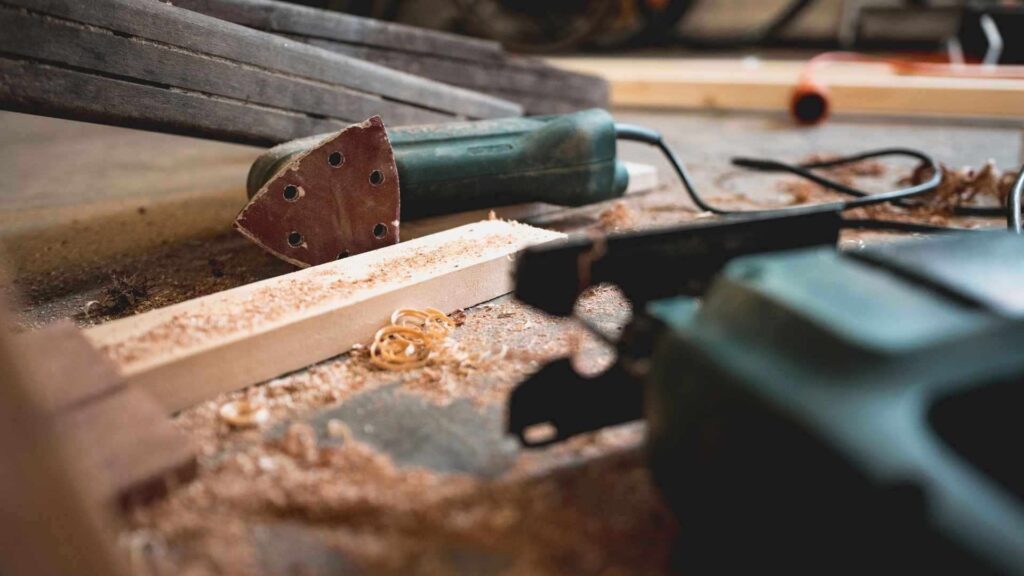
A successful retail millwork rollout depends on far more than making the same fixture repeatedly. Manufacturers must control digital production files, material variation, assembly methods, finishes, inspection, packaging, freight, and installation conditions. When those systems work together, every location receives millwork that supports the same recognizable brand experience, whether the store opens nearby or several states away. Customers may not think about the production decisions behind a display, service counter, or shelving unit. They notice whether the space feels familiar. Each fixture must match the approved prototype, arrive without damage, and be ready when installers need it. In an episode of The Maker’s Intent, host Mike Downer and AF Johnson Millwork Company President Kyle Greenfield explain the precision, planning, and problem-solving required to deliver repeatable commercial fixtures at scale. Their experience shows that consistency results from disciplined decisions throughout the project. Why are nationwide retail projects difficult to keep consistent? Nationwide retail projects are difficult because the fixtures may be identical on paper, but the conditions surrounding them are not. Temperature, humidity, storage, transportation, site readiness, and installation practices can differ significantly from one location to another. A dependable manufacturer plans for those differences instead of assuming every fixture will face the same environment. Retail brands need dimensions, colors, finishes, hardware, signage, and display spacing to remain aligned. Small differences become noticeable when the same design appears in hundreds of stores. Environmental exposure can also change how materials and adhesives perform. Greenfield recalls a project that was delivered to Phoenix but left inside a trailer for about two weeks during the summer. When the fixtures were unloaded, the edging had separated. The parts had been manufactured correctly, but the storage conditions introduced a new risk. Consistency requires control beyond the shop floor, including clear handling and storage expectations. How does CNC technology make repeated fixtures more accurate? Computer numerical control, or CNC, technology improves repeatability by cutting components from programmed digital instructions. Once the approved dimensions and tool paths are established, the machine can reproduce the same component many times with much less variation than a process that depends entirely on manually guiding large sheets. Greenfield explains that AF Johnson Millwork Company uses a CNC router for approximately 95 percent of its cutting. With a traditional table saw, an employee may need to move a sheet that is 10 feet long and 5 feet wide. Even an experienced craftsperson can introduce slight movement. On the CNC router, the sheet remains stationary while the cutting head follows the programmed path. Across a large order, small variations can affect joints, reveals, hardware alignment, and final assembly. CNC production creates a reliable baseline, but it does not replace skilled people. Employees still verify programs, monitor tooling, assemble fixtures, and inspect results. The machine provides repeatability. Experienced craftspeople ensure the completed fixture meets the approved design. How do manufacturers manage natural material variation? Manufacturers manage material variation by inspecting stock before production, purchasing enough extra material to allow selective matching, and rejecting pieces that are unstable or visually unsuitable. Accurate machinery cannot make inconsistent material look uniform, so quality control must begin before the first production cut. Wood varies in grain, knots, color, density, and moisture response. The U.S. Forest Products Laboratory explains that moisture changes can produce major dimensional movement in wood products. For a large project, AF Johnson Millwork Company may bring in considerably more material than the finished quantity requires. Greenfield gives the example of needing 50 pieces but purchasing 70 or 80 so the team can select enough material with compatible appearance and stability. Some pieces may be too twisted, too knotty, or too different in grain to use in a highly visible run. Hardwood can also move after machining. A component may be accurate when it leaves the CNC router and twist by the following day. A quality-focused manufacturer remakes that part instead of forcing it into assembly. Consistency starts with knowing when not to use a piece. What standards guide commercial millwork quality? Commercial millwork quality is guided by project specifications, approved drawings, material requirements, finish samples, documented tolerances, and recognized industry standards. These references establish what the manufacturer must produce and give architects, contractors, and owners a shared basis for evaluating the completed work. The Architectural Woodwork Institute states that its standards provide minimum criteria for the concept, design, fabrication, finishing, and installation of architectural woodwork. AWI also publishes standards addressing areas such as materials, factory finishing, architectural wood casework, manufactured wood casework, millwork, and installation. Greenfield describes these specifications as a common rulebook. They can influence material selection, cutting tolerances, adhesives, dowels, screws, joinery, finishing, and inspection. Some manufacturers simply reach the required threshold. Others build internal processes designed to exceed it consistently. Standards reduce subjective interpretation. A documented requirement gives the team something measurable to approve, reproduce, and inspect. What does retail-perfect consistency require beyond basic tolerances? Retail-perfect consistency requires both technical compliance and visual continuity. A fixture may fall within an acceptable dimensional tolerance and still look wrong beside units from another batch. Retailers therefore need manufacturers to control the details customers can see, not only the measurements listed in a drawing. Visible details include finish color, sheen, grain direction, edge treatment, hardware placement, door alignment, signage, shelf spacing, and reveals. A national retailer uses physical space to reinforce its identity. When customers walk into another location, the fixtures should feel familiar. As Greenfield explains, retailers want to duplicate the customer experience as closely as possible across the country. That goal makes the approved prototype important. It should function as a production standard, not merely a design suggestion. Drawings, samples, CNC files, hardware schedules, and finish records must all reflect the approved result so later phases do not drift away from the original intent. Retail quality is both measurable and visual. How do manufacturers schedule hundreds of fixtures? Manufacturers schedule large fixture orders by working backward from shipment and installation deadlines. They calculate how many units must pass through cutting, assembly, finishing, inspection, and packaging each
How to Integrate LED Lighting Into Millwork – A.F. Johnson
Integrated LED lighting can turn commercial millwork from a functional architectural feature into a memorable part of the customer experience. In the recent episode of The Maker’s Intent, host Mike Downer speaks with Kyle Greenfield, president and owner of AF Johnson Millwork Company, about how to integrate LED lighting into commercial millwork safely, effectively, and intentionally. Kyle explains that successful lighting begins with understanding the designer’s goals, choosing between direct and background illumination, planning wiring and control systems early, and selecting brightness levels that complement the display. When these decisions are made during the design phase rather than after fabrication, the finished millwork looks cleaner, operates more efficiently, and often costs less to maintain over time. Why Are Designers Adding LEDs to Commercial Millwork? LEDs have become popular in commercial millwork because they offer longevity, flexibility, and minimal heat output. Older halogen lighting systems often became hot and required frequent bulb replacements. LEDs, by comparison, can operate for years with little maintenance when properly installed. As Kyle explains, “When they’re installed properly, they’ll likely last longer than the display itself.” Designers are also becoming more skilled at incorporating lighting directly into cabinetry, reception desks, signage, shelving, and product displays. Instead of finishing a project and then attaching lights wherever they fit, fabricators can build concealed tracks, wiring channels, and access points into the millwork from the beginning. This approach creates a polished result in which the lighting feels like an intentional architectural feature rather than an afterthought. What Is the Difference Between Direct and Background Lighting? Direct lighting shines onto a specific product, object, or surface. It is commonly used in retail displays, jewelry stores, museums, hospitality environments, and corporate product showcases. For example, jewelry may need focused illumination that allows customers to see its details. Crystal figurines can benefit from brighter spotlight-style LEDs that produce reflections and rainbow effects. Background lighting, also called backlighting, is placed behind a sign, logo, decorative panel, or other feature. Rather than lighting the object from the front, it creates a glow around or through it. This can make a corporate logo appear larger, more prominent, or visually dramatic. Neither option is automatically better. The correct choice depends on whether the goal is to illuminate an object or create an atmosphere around it. Why Is Uniform Lighting Difficult to Achieve? Background lighting becomes complicated when materials respond differently to light. Kyle describes a project involving a roughly ten-foot-wide illuminated sign for a beer manufacturer. Green bottles were arranged inside the display, and the design called for a consistent green glow. The team had to carefully plan the brightness, position, and spacing of the LEDs. Without proper testing, one bottle might appear extremely bright while another looks barely illuminated. Material thickness, color, transparency, reflectivity, and distance from the light source can all affect the final appearance. Mockups and lighting tests allow fabricators to identify bright spots, shadows, or uneven illumination before the finished piece is installed. Direct lighting is often more straightforward, but it still requires an understanding of what is being displayed and how strongly it should be emphasized. How Is the Right Brightness Level Selected? Brightness should always support the purpose of the millwork. A corporate sign may need a soft glow that draws attention without becoming distracting. A product display may require brighter and more focused illumination so customers can easily see fine details. Longevity and maintenance access also matter. Kyle discusses a university project in the Chicagoland area featuring a mural that extended along a two-story staircase. The client did not need extreme brightness, but they wanted a dependable lighting system that would not require regular attention after installation. According to Kyle, the project was completed around six to eight years ago and still looks as good as it did when first installed. Can LED Millwork Connect to Building Control Systems? LED-integrated millwork can often be connected to a building’s broader lighting or automation system. This can be especially useful in retail stores, corporate offices, hotels, and other environments with numerous illuminated displays. A centralized system allows staff to control multiple lighting features without manually unplugging or switching off each display. Depending on the technology used, operators may also be able to dim lights, schedule operating hours, or change colors through a phone app. However, this type of integration requires early coordination. Millwork fabricators, lighting designers, electricians, and control system programmers must communicate before fabrication so everyone understands the technical requirements. How Can LEDs Strengthen a Brand Experience? Lighting can make logos, products, and architectural features more memorable. Kyle describes a high-rise corporate office where AF Johnson Millwork Company used two different LED techniques within the same reception area. A metal corporate sign behind the reception desk was backlit with color-changing LEDs, creating a soft and impressive glow. Nearby, direct spotlight-style lighting illuminated products made by companies in the corporation’s investment portfolio. The backlighting strengthened the company’s visual identity, while the direct lighting placed attention on specific products. Together, the two approaches created a cohesive brand experience without making every feature look the same. Integrated lighting works best when it supports a clear purpose rather than being added only for decoration. By coordinating the lighting, wiring, controls, materials, and millwork design from the start, project teams can create installations that are functional, durable, and visually memorable. That early collaboration is the most important principle to remember when learning how to integrate LED lighting into commercial millwork. Frequently Asked Questions Do LEDs create much heat inside millwork? LEDs produce considerably less heat than traditional halogen bulbs. Proper ventilation and installation are still important, particularly in enclosed cabinetry or displays. Can LED colors be changed after installation? Yes. Many systems allow users to change colors, adjust brightness, create scenes, or control the lighting remotely through an app or building control system. Should lighting be planned before millwork fabrication begins? Yes. Early planning makes it easier to conceal wiring, create lighting tracks, provide maintenance access, and coordinate with electricians or control system programmers. Are LEDs suitable only
LED Integrated Millwork Lighting – A.F. Johnson Millwork
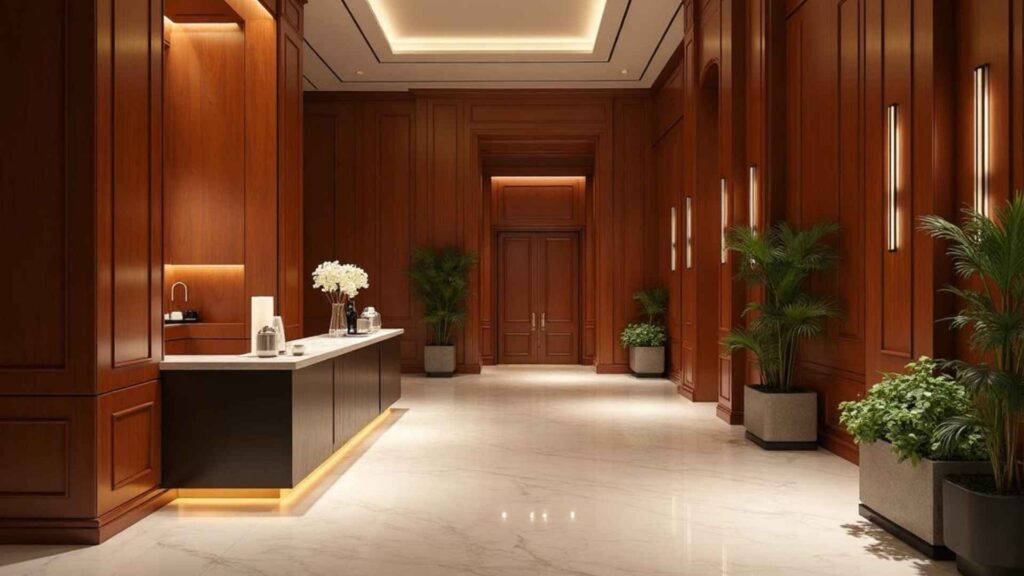
What if the most memorable part of a space isn’t the furniture or the finishes, but the way it quietly glows? LED integrated millwork blends custom architectural woodwork with carefully planned illumination to do more than just light a room—it draws attention, tells a story, and shapes how people feel the moment they walk in. But achieving that seamless effect isn’t accidental. It requires designing the millwork, lighting, wiring, controls, and service access as one coordinated system from the start. When done right, the result feels effortless—and avoids the visible compromises that often come from adding lighting after the fact. What Is LED Lighting in Commercial Millwork? LED lighting in commercial millwork means building light sources directly into reception desks, display cases, wall panels, shelving, signs, cabinets, and branded architectural features. The light may be visible, concealed, recessed into a channel, positioned behind a material, or aimed directly at a product. The key is true integration. A cabinet with a strip light attached after installation is different from one designed with a recessed track, diffuser, wiring path, driver location, ventilation, and service access. AF Johnson Millwork Company treats lighting as part of the fabrication strategy, balancing appearance, performance, coordination, and future service needs. That approach helps conceal hardware, protect wiring, and make the finished feature look intentional from every angle. Why Are LEDs a Strong Choice for Commercial Millwork? LEDs work well in custom millwork because they are compact, efficient, controllable, and capable of operating for years when correctly specified and installed. Their small size gives fabricators more freedom to hide light sources inside shelves, reveals, signage, and narrow architectural details. The U.S. Department of Energy reports that good-quality white LEDs commonly have a useful life of 30,000 to 50,000 hours or longer. It also states that LEDs can use up to 90 percent less energy than traditional incandescent lighting. These advantages can reduce replacement labor and operating costs in displays that remain on throughout the business day. LEDs also release far less heat into a space than incandescent sources. This is valuable in enclosed cabinets, retail displays, and customer-facing areas. However, ENERGY STAR notes that thermal management still affects LED life. Channels, heat sinks, ventilation, and driver placement must be planned correctly. Kyle Greenfield, president and owner of AF Johnson Millwork, puts the long-term value simply: “When they’re installed properly, they’ll likely last longer than the display itself.” What Is the Difference Between Direct Lighting and Backlighting? Direct lighting shines onto an object or surface. Backlighting places the light behind an object, panel, sign, or material to create a glow. Both methods are effective, but they serve different purposes. Direct lighting is best when people need to see a product, texture, or feature clearly. It is common in jewelry cases, product displays, decorative shelving, and retail fixtures. Backlighting is useful when the illuminated feature needs to feel more prominent or atmospheric. Corporate logos, translucent panels, metal signs, wall features, and branded installations often benefit from a halo or glowing effect. In the podcast conversation, Greenfield explains that crystal merchandise may need bright, focused illumination to create sparkle and rainbow effects. A corporate sign usually needs controlled light that helps the sign stand out without becoming overpowering. The choice depends on the design goal. Direct lighting reveals the object. Backlighting creates presence around it. How Should Brightness Be Chosen for a Commercial Display? Brightness should be selected according to the object, surrounding light, material response, viewing distance, and desired level of attention. More light is not always better. A successful display creates contrast without causing glare, harsh reflections, or visual fatigue. Crystal may need a narrow, bright beam to create sparkle. Fine jewelry may need controlled illumination that reveals detail without flattening the materials. A backlit logo usually needs a softer, even glow so viewers notice the brand rather than the individual light sources. The Illuminating Engineering Society emphasizes that lighting quality depends on more than output. Color rendering, glare, contrast, distribution, and design intent all affect how an illuminated object is perceived. AF Johnson Millwork Company evaluates brightness as part of the complete visual goal, not as an isolated specification. How Do Materials Change the Way LED Lighting Looks? Materials can change the color, spread, intensity, and consistency of LED light. Glass, acrylic, metal, wood, fabric, stone, crystal, and translucent panels all behave differently. A common backlighting problem is hot spotting, where individual LEDs remain visible instead of blending into an even field. The solution may involve more distance between the light and the face material, closer LED spacing, added diffusion, reflective interior surfaces, or lower output. Greenfield shared an example involving a large beer-brand display with green bottles. The challenge was making every bottle glow consistently. As he joked, one bottle should not look like “Superman’s kryptonite” while another barely appears illuminated. For unusual materials or large branded features, a mockup allows the team to test spacing, brightness, diffusion, and color before final fabrication. Why Must Lighting Be Planned Before Fabrication Begins? Lighting must be planned early because the millwork needs room for fixtures, wiring, drivers, controls, ventilation, and future service. When these needs are addressed late, the project may end up with exposed wires, surface-mounted parts, difficult maintenance access, or costly field changes. Coordination may involve the millwork fabricator, architect, interior designer, lighting designer, electrical contractor, general contractor, and controls specialist. Their drawings should agree on voltage, fixture type, driver capacity, dimming method, connection points, and access. Greenfield’s advice is clear: involve the millwork and lighting teams early enough to build the lighting into the design. That early collaboration helps the fabricator create hidden tracks and wiring routes while preserving removable access points for future maintenance. It also gives electrical and control teams enough time to confirm compatibility before components are purchased or installed. How Can Illuminated Millwork Connect to Building Controls? Illuminated millwork can connect to centralized controls, timers, dimmers, occupancy strategies, color controls, or mobile applications. The available features depend on the fixtures, drivers, protocol,
Commercial Millwork Company That Works With Multiple Materials | AF Johnson
In this episode of The Maker’s Intent, host Mike Downer sits down with Kyle Greenfield, president and owner of AF Johnson Millwork Company, to explore what it really takes to bond wood, steel, resin, and stone in commercial fabrication. The discussion goes beyond adhesives and into the realities of engineering, structure, environmental movement, and installation. For anyone curious about how a commercial millwork company that works with multiple materials approaches complex builds, this conversation offers a practical look behind the finished product. From the start, Kyle makes it clear that success in multi-material fabrication depends on more than making materials stick together. The biggest takeaways are woven through the conversation: gravity changes everything, structural support matters as much as bonding, different materials move in different ways, and testing in controlled conditions can prevent expensive surprises in the field. The result is a reminder that beautiful commercial millwork is often the product of hidden engineering and years of hard-earned experience. Why Gravity Is One of the First Design Considerations One of Kyle’s most useful insights is also one of the simplest. When asked how AF Johnson Millwork Company bonds different materials together, he explains that “it kind of depends on whether gravity is helping us.” That distinction shapes the entire fabrication strategy. For horizontal applications like tabletops, desktops, and bar tops, gravity naturally helps keep materials seated in place. In some situations, a bonding agent as simple as silicone can be enough because the material is already being pressed downward and is less likely to shift. These projects still require care, but they begin with a major advantage. Vertical applications are another story. Once a material is hanging on a wall, mounted off the side of a desk, or floating away from a structure, gravity becomes part of the challenge. In those cases, adhesive alone is rarely the full answer. The piece may need hidden metal bolts, steel reinforcement, or other concealed support systems that preserve the visual design while carrying the load safely. The Real Challenge of Bonding Wood and Steel When the conversation turns to wood and steel, Kyle points to two main concerns: weight and mounting. In commercial fabrication, the question is not only whether wood can attach to steel, but whether the final assembly can be supported by the surrounding structure. That issue becomes even more important in today’s design environment, where floating shelves, stand-off wall elements, and minimalist architectural details are in high demand. These features often need to look clean and effortless, with no visible brackets or fasteners. But behind that appearance is a significant amount of engineering. To make those designs work, AF Johnson Millwork Company often has to evaluate the existing structure, understand how the wall is built, and determine whether the building can support the intended load. In many cases, the challenge is less about bonding two materials and more about integrating them into a larger system that remains safe, durable, and visually precise. Resin Looks Easy Online, but It Rarely Is Resin and epoxy features have become increasingly popular, especially in statement pieces like bar tops and river tables. Kyle notes that full resin applications can be more straightforward because the surface is sealed consistently and tends to react as one material. The real complexity shows up when resin is combined with natural wood. A river table may look seamless when it is first completed, but the materials are behaving very differently over time. Once resin cures, it becomes relatively stable. Wood does not. Wood continues to react to humidity and temperature, and it can shrink, swell, twist, or warp. That difference in movement is what makes these projects so demanding. The challenge is not just creating a clean pour. It is stabilizing the wood so that it behaves more predictably and does not pull away from the resin or distort the final piece later. As Kyle suggests, the hard part is often not the resin itself but getting the wood to cooperate with it long-term. Stone and Wood Demand Early Structural Planning The conversation also highlights the structural demands of combining stone and wood. Stone may create a rich, premium look, but it also introduces significant weight. That means support requirements have to be considered early in the design process, not after fabrication is underway. For horizontal applications, the team may need extra support underneath the stone so the load does not cause failure over time. For vertical installations, the concerns grow even larger. Commercial walls are often framed with thin-gauge metal, which may not be capable of carrying heavy decorative materials without reinforcement. In those situations, AF Johnson Millwork Company may need to coordinate with contractors or owners to strengthen the building structure before installation. That kind of early planning protects the project and helps ensure that the design intent can actually be built. Why Testing and Prototyping Matter So Much Another major theme in the interview is the value of assembling projects in the shop before they ever go to the field. Kyle explains that AF Johnson Millwork Company prefers to put everything together in the plant first as a quality control measure. That process serves several purposes. First, it confirms that the product looks and functions as intended. Second, it provides a clear baseline if something shifts during shipping or installation. If the team knows the assembly worked in the shop, they can more quickly diagnose what changed later. Just as importantly, the plant offers controlled conditions. Temperature and moisture can be managed there in ways they cannot on an active construction site. That matters because different materials react differently to heat, humidity, and environmental fluctuation. Testing in the shop reduces uncertainty and improves consistency. Why Many Shops Avoid Multi-Material Work Kyle offers a candid answer when asked why many fabrication shops shy away from multi-material projects. In his view, it comes down to experience. Many companies simply are not comfortable working across several trades at once. AF Johnson Millwork Company has an advantage because it has been