
Commercial Millwork Fabrication: Why It Fails Before the Adhesive Does
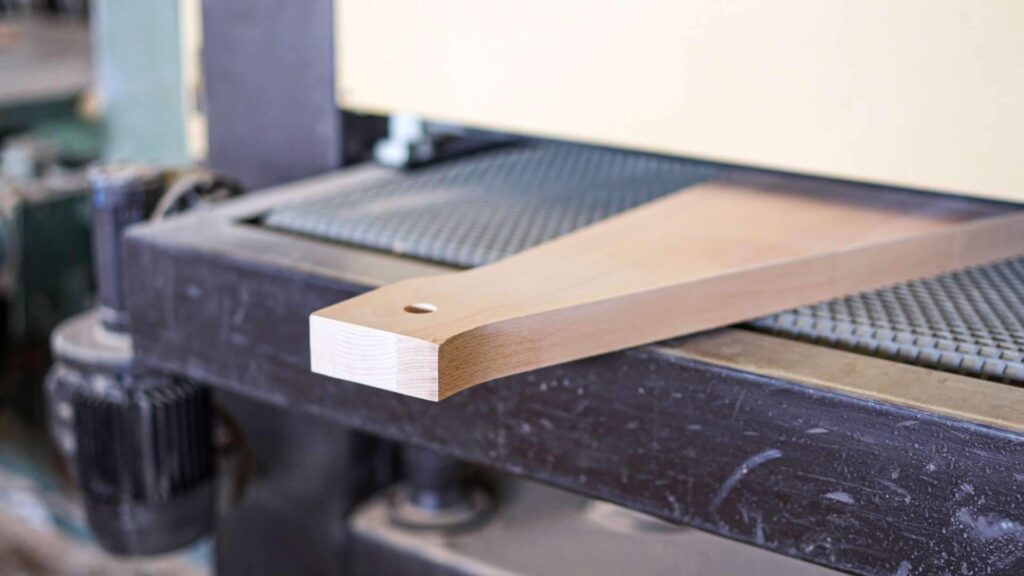
The most common mistake in commercial millwork fabrication is treating a multi-material assembly as an adhesive problem. It rarely starts there. When wood, steel, resin, stone, acrylic, and other materials have to work together in a commercial setting, the first question is not which bonding agent to use. The first question is whether gravity is helping or working against the assembly. From that answer follows the support strategy, the mounting conditions, the need for hidden structure, the preparation of the building, and whether the piece can be trusted after it leaves the shop. Kyle Greenfield, president and owner of AF Johnson Millwork Company, puts it plainly: “The easiest answer is it kind of depends on whether gravity is helping us.” That sounds simple. It is not. It reflects the reality that materials do not care about design intent. Wood moves. Stone weighs what it weighs. Resin cures and becomes stable. Walls may not be strong enough. A clean floating detail may hide a structural problem. A detail that looks effortless on paper may need hidden bolts, metal supports, reinforcement, mockups, and trial and error before it can be installed safely. The cleanest work often has the most engineering behind it. Gravity decides more than the adhesive does A horizontal surface gives the fabricator an advantage. A tabletop, desktop, or bar top is naturally being pressed downward. Gravity helps the connection instead of testing it. In those cases, Kyle notes, the solution can sometimes be surprisingly simple: “Sometimes we can use something as simple as silicone, and it’ll never move.” That does not mean silicone is the answer. It means the condition is doing part of the work. A vertical application is different. A panel on a wall, a piece hanging off a desk, or a feature that stands away from the structure is fighting gravity all day. The question becomes less about bonding and more about support. What is carrying the weight? Where is the load going? Is the adhesive helping, or is it being asked to do the work of structure? Kyle’s answer is direct: “We usually need some type of structure to help support it, not just a bonding agent.” That distinction matters because many failures begin with a resolved surface detail and an unresolved support strategy. The better question is not, “How do we stick this to that?” It is, “What is preventing this from moving, sagging, pulling away, twisting, or failing after installation?” Sometimes the answer includes adhesive. Sometimes it includes hidden metal bolts or supports that nobody sees. In the best work, the visible design and invisible structure are designed together. Weight is usually the real problem When Kyle talks about bonding wood to steel, he does not begin with chemistry. He begins with weight and mounting. “The weight is usually the biggest challenge, along with how it’s going to be mounted.” That is the practical center of the work. Materials are not abstract. They have mass, tolerances, and installation consequences. Steel may solve one problem and create another. Stone may give a design permanence but demand far more from the wall or substrate. Wood may be workable and warm, but it reacts to its environment. Mounting is where design meets consequence. For a vertical application, AF Johnson Millwork Company may need to research the existing structure: how the wall is built, what is behind the finish, and whether the building can support the piece at all. That cannot be treated as a late installation detail. It can change what is possible. This becomes especially important with floating designs. Kyle points to floating shelves or wall pieces that stand off from the wall with a visible gap. The gap is often what makes the detail appealing. It creates shadow, lightness, and a clean architectural look. It also makes the engineering harder. “You’re holding a lot of weight away from the structure,” Kyle explains, “so there’s a lot of engineering involved in figuring out how to support something heavy while keeping it visually clean.” That captures one of the core tensions in custom fabrication: the more effortless something is supposed to look, the less visible the real work becomes. The client sees a clean floating object. The fabricator sees a cantilevered load, a wall condition, a fastening strategy, and a risk profile. The building is part of the assembly It is easy to think of fabrication as something that happens in the shop and installation as something that happens later. Multi-material work does not allow that separation. A heavy vertical feature is not just attached to a building. It asks something of the building. Kyle is especially clear about this when discussing stone and wood. A horizontal stone or granite surface needs enough support underneath so the weight does not cause failure. That may mean thicker walls or extra structure below. A vertical stone-and-wood application may require reinforcing the building itself. The problem is that commercial framing is often not designed for the loads designers later want to place on it. “Commercial framing is often thin-gauge metal that won’t support much weight,” Kyle says. That is a field observation, not a theoretical warning. A wall may be perfectly acceptable for its intended purpose and still be inadequate for a heavy custom feature. The finished surface can look solid while the structure behind it is not ready for what the design requires. This is where coordination matters. The fabricator may need to work with contractors or building owners to strengthen the structure before installation begins. A design can be fabrication-ready and still not be building-ready. Resin teaches the same lesson in another language Resin looks like a material problem. In practice, the harder problem is often the material next to it. Kyle describes resin as still relatively new and trendy in the market. When resin completely covers a surface, such as a full bar top, the application is more predictable because the assembly is sealed uniformly and reacts the same way. The complications begin when resin is paired
Integrated Commercial Millwork Solutions with Mixed Materials – AF Johnson
Key Takeaways In today’s built environments, integrated commercial millwork solutions with mixed materials are redefining how businesses design, function, and create memorable experiences. In a recent episode of The Maker’s Intent podcast, host Mike Downer sat down with Kyle Greenfield, President of AF Johnson Millwork Co., to break down what commercial millwork really is—and why it plays such a critical role in modern spaces. Understanding Commercial Millwork Commercial millwork refers to custom-built interior elements designed specifically for business and public environments. As Kyle Greenfield explains, “Commercial millwork does include cabinetry, but not just that… it covers a lot more than just cabinetry.” That broader scope includes reception desks, wall panel systems, seating, trims, and architectural features—all tailored to a client’s exact needs. Unlike residential cabinetry, which is typically standardized, commercial millwork is built for scale, durability, and performance. It must support high-traffic environments while aligning with branding, functionality, and safety requirements. Beyond Cabinetry: Expanding the Scope One of the key insights from AF Johnson Millwork Co. is that modern millwork is about delivering complete interior solutions—not just individual products. Wall Coverings & Panels Wall systems are a major part of commercial millwork. Greenfield notes projects can include “wood panels or even other types of products,” including slat wall designs and acoustic panels that enhance both sound control and aesthetics. Custom Trims & Finishes Custom trims help bring a unique vision to life. Whether it’s a subtle design detail or a bold architectural statement, these elements ensure that no two projects look the same. Reception Desks & Lobby Features Reception areas are often the centerpiece of a commercial space. Greenfield describes projects that go far beyond standard desks, including large, custom-built installations that define a company’s first impression. Who Uses Commercial Millwork? According to Greenfield, “Almost every industry gets into it.” From hospitality and restaurants to corporate offices and healthcare facilities, the demand for custom millwork spans virtually every sector. Healthcare is a strong example, where large nurse stations and reception areas must be designed for efficiency, safety, and workflow. Office environments rely on tenant finishes that reflect company culture, while hospitality spaces focus on ambiance and customer experience. The common factor across all industries is the need for customization—something off-the-shelf products simply cannot deliver. Why Customization Matters A recurring theme in The Maker’s Intent episode is the importance of custom solutions. Greenfield explains that many clients come in with ideas but need help bringing them to life: “Some of the most fun projects come from people saying, ‘I have an idea, but I don’t know how to make it happen.’ Then we figure it out together.” Off-the-shelf products often fall short due to limitations in size, functionality, and design flexibility. In contrast, commercial millwork is designed around how a space will actually be used—taking into account users, workflow, and environment. This is especially critical in complex spaces like healthcare facilities or large corporate offices, where one-size-fits-all solutions simply don’t work. The Rise of Mixed Materials Another major trend highlighted in the conversation is the shift toward mixed materials. While wood remains foundational, today’s projects frequently incorporate metals, fabrics, glass, and lighting. Greenfield notes, “We’re seeing a lot of mixed materials… metal is often incorporated… upholstery and fabrics… lighting is also big.” These combinations allow companies like AF Johnson Millwork Co. to create more dynamic, functional, and visually engaging spaces. Integrated lighting, for example, can highlight branding elements or create a specific mood within a space. Transforming Spaces Through Design Commercial millwork is not just about aesthetics—it’s about solving real problems. Greenfield shares an example of a medical project where his team designed protective structures using wood, glass, and plastic to improve employee safety. Starting from simple sketches, the team collaborated with the client to develop a fully functional solution. In another project, millwork was used to transform a company’s space into a product showcase, eliminating the need to walk clients through a manufacturing floor and creating a safer, more professional experience. These examples highlight how custom millwork can address multiple challenges at once—improving safety, efficiency, and customer experience. The Importance of Quality Standards Quality is essential in commercial millwork, and AF Johnson Millwork Co. emphasizes adherence to industry standards such as those set by the Architectural Woodwork Institute (AWI). Greenfield explains, “AWI sets the standards for how products are built… it ensures quality and gives customers confidence that what they’re investing in will last.” This level of assurance is especially important for businesses making significant investments in custom-built environments. Impact on Business and Experience Well-designed millwork has a direct impact on both customer and employee experiences. For customers, it creates a polished and engaging environment. For employees, it improves functionality and can even enhance morale. Greenfield points out that a well-designed space can make work “more enjoyable and efficient, and even safer.” Additionally, the custom nature of millwork keeps projects exciting for the teams involved. Each build is unique, requiring creativity, collaboration, and problem-solving. The future of design lies in customization, innovation, and collaboration. Businesses that invest in integrated commercial millwork solutions with mixed materials are better positioned to create spaces that are not only functional, but truly memorable. FAQs What is commercial millwork? Commercial millwork refers to custom-built interior elements such as cabinetry, wall panels, reception desks, and architectural features designed specifically for commercial spaces. How is commercial millwork different from residential cabinetry? Commercial millwork is larger in scale, more durable, and tailored for high-traffic environments, while residential cabinetry is typically standardized for home use. Why do businesses choose custom millwork? Businesses choose custom millwork to meet unique design, functional, and branding requirements that off-the-shelf products cannot achieve. What materials are used in modern millwork? Modern millwork combines wood with metal, glass, upholstery, plastics, and integrated lighting to create versatile and high-performance designs. How does millwork improve workplace environments? It enhances workflow, increases efficiency, and creates more comfortable and visually appealing spaces, which can boost employee satisfaction and productivity.
Custom Commercial Millwork vs. Off-the-Shelf Cabinetry – AF Johnson
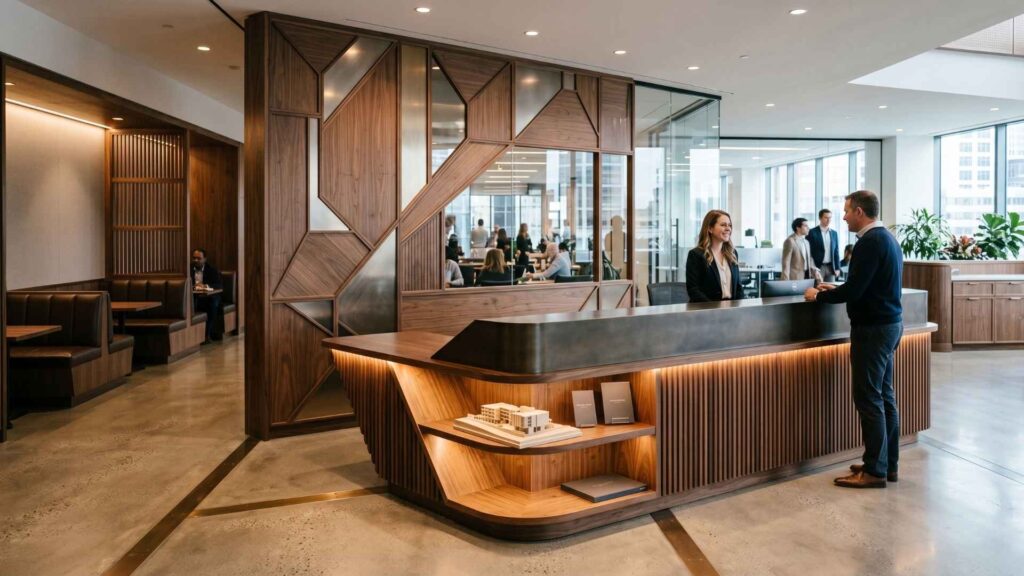
Most commercial spaces look the same for a reason: they rely on standardized solutions that weren’t designed for how people actually use them. The conversation around custom commercial millwork vs. off-the-shelf cabinetry often misses the bigger picture—this isn’t just about furniture. It’s about how a space functions, feels, and represents a brand. When done right, millwork becomes a strategic asset that shapes experience, improves performance, and brings ideas to life. What Is Commercial Millwork? Commercial millwork goes far beyond cabinets. It refers to custom-built architectural elements designed specifically for a space, its users, and its purpose. That includes reception desks, wall systems, seating, display units, trims, and fully integrated design features that connect everything together. At its core, millwork is about building something that doesn’t exist yet. It isn’t pulled from a catalog or selected from a template. It starts with raw materials and a clear intention. Kyle Greenfield, president of AF Johnson Millwork Co., explains it simply: “Commercial millwork does include cabinetry, but not just that… it covers a lot more than just cabinetry.” That broader definition is important because it shifts how businesses think about their spaces. Instead of buying pieces, they begin designing environments. And that shift is where the real value begins. Why Standard Solutions Fall Short Off-the-shelf solutions are built for convenience. They are designed to fit as many situations as possible. But that generalization is exactly what limits them. The Hidden Cost of “Good Enough” Design In commercial environments, there is no such thing as “average.” Every space has unique constraints, workflows, and goals. Healthcare facilities require stations that support multiple users at once. Offices need to balance collaboration with privacy. Retail spaces must guide attention and movement. Trying to force a standardized product into those environments creates friction. Things feel slightly off. Workflows become inefficient. And over time, those small inefficiencies add up. What often gets overlooked is the long-term impact. Small inefficiencies compound into wasted time, reduced productivity, and even frustration among employees and customers. A space that doesn’t quite work becomes something people have to work around every day. Kyle puts it into perspective when talking about large-scale applications: “Sometimes it’s just the size and scale… there’s no standard product for that.” That reality applies across industries, not just healthcare. The takeaway is straightforward: when you design around products, you compromise. When you design for the space, everything aligns—and that alignment is where real efficiency and value are created. The Strategic Value of Custom Millwork Custom millwork is often viewed as an aesthetic upgrade. In reality, it is a strategic investment that impacts how a business operates day to day. Branding Through Space Your physical space is one of the most immediate ways people experience your brand. Before a conversation even starts, your environment is already communicating something. A thoughtfully designed reception area, for example, can signal professionalism, creativity, or innovation. It sets expectations instantly. Kyle shared an example of a client who wanted to showcase their products in a lobby. Instead of a simple desk, the team created a display wall with integrated lighting and shelving. The result wasn’t just functional—it told a story. That’s the difference between filling a space and using it intentionally. Function Drives Everything Design is not just about appearance. It is about performance. Custom millwork allows every element to be tailored to how people actually use the space. That includes dimensions, materials, and even how different components interact with each other. For example, in healthcare settings, nurse stations often need to accommodate multiple staff members while maintaining visibility and access to critical tools. That level of complexity cannot be addressed with pre-made products. As Kyle explains, “We design everything around how the product will be used… the size, shape, and number of users.” That mindset is what separates functional design from decorative design. Employee Experience Matters A well-designed space doesn’t just look better—it feels better to work in. Employees spend a significant portion of their day interacting with their environment. When that environment supports their tasks, reduces friction, and feels intentional, it improves morale. Over time, that leads to better productivity, stronger engagement, and even improved retention. Kyle highlights this impact clearly: “A well-designed space can make work more enjoyable and efficient, and even safer.” That combination of benefits is difficult to achieve without customization. Industries That Rely on Commercial Millwork Custom millwork is not limited to one sector. It plays a role in nearly every industry where space influences experience. Hospitality In hospitality, atmosphere is everything. Guests form impressions quickly, and design plays a major role in shaping those impressions. Custom millwork allows hotels and restaurants to create environments that feel unique and memorable. Corporate Offices Workspaces have evolved significantly in recent years. Companies are rethinking how offices support collaboration, focus, and culture. Custom millwork helps create flexible environments that reflect those priorities. Healthcare Healthcare environments require precision and durability. From nurse stations to reception areas, every element must support both staff and patient needs. Custom solutions ensure that nothing is left to chance. Retail Retail spaces are designed to influence behavior. Layout, visibility, and presentation all impact purchasing decisions. Custom millwork allows brands to guide the customer journey more effectively. Across all of these industries, the common theme is customization. No two spaces are identical, and their solutions shouldn’t be either. Materials Are No Longer Limited to Wood Despite the name, modern millwork is not limited to wood. Today’s projects often combine multiple materials to achieve both function and visual impact. Metal introduces strength and contrast. Glass adds openness. Upholstery enhances comfort. Integrated lighting brings everything to life. This combination of materials allows for more dynamic and adaptable designs. It also expands what is possible from both a functional and aesthetic standpoint. Kyle notes that lighting, in particular, plays a key role: it can highlight branding, create ambiance, and shape how a space feels the moment someone enters. That emotional response is a critical part of design. The Process: From Idea to
AWI Certified Custom Millwork for Complex Commercial Projects – AF Johnson
Key Takeaways In today’s fast-evolving construction landscape, companies that successfully blend craftsmanship with innovation are the ones that consistently deliver standout results. AF Johnson Millwork is a clear example of this balance, showing how decades of hands-on experience can address modern fabrication challenges. Their long-standing expertise highlights the importance of AWI certified custom millwork for complex commercial projects when precision, creativity, and reliability are required. From Humble Beginnings to Industry Leader AF Johnson Millwork traces its roots back to founder Adolph Johnson, a Swedish immigrant who arrived in the United States with a set of tools and a strong understanding of cabinetry. Starting in a modest garage, he began building custom pieces at a time when skilled craftsmanship was both rare and highly valued. Despite not speaking much English, his ability to create quality work allowed the business to grow quickly. As demand increased, the company expanded beyond residential cabinetry into commercial work. By the mid-20th century, commercial millwork had become a primary focus, setting the stage for decades of specialization in large-scale, custom fabrication. This transition marked a significant turning point, positioning the company to take on more complex and design-driven projects. The Power of 90+ Years of Experience One of the defining advantages of AF Johnson Millwork is its extensive project history. With more than ninety years of experience, the company has encountered a wide range of design challenges, materials, and construction requirements. This accumulated knowledge functions as a practical reference library that the team can draw from when approaching new work. When clients present unique or abstract ideas, the team is rarely starting from scratch. Instead, they can often recall similar past projects and adapt proven solutions to meet current needs. This ability to connect past experience with present challenges allows for efficient problem-solving while maintaining a high standard of craftsmanship. In an industry where customization is the norm, having this depth of experience reduces uncertainty and helps ensure that even complex concepts can be executed successfully. Blending Tradition with Modern Innovation Although the company is rooted in traditional woodworking, its approach continues to evolve alongside changing design trends. Modern commercial millwork frequently involves more than just wood; it requires integrating a variety of materials and features into a cohesive final product. Today’s projects often include elements such as integrated lighting, metals, fabrics, and upholstered components. These additions introduce new layers of complexity, requiring both technical skill and creative problem-solving. Rather than relying solely on traditional methods, AF Johnson adapts its processes to incorporate these materials while maintaining structural integrity and design intent. This combination of old-world craftsmanship and modern innovation allows the company to transform ambitious concepts into tangible, functional results. Generational Knowledge and Team Expertise Another key factor behind the company’s success is its continuity of leadership and workforce. With five generations of ownership and many long-tenured employees, AF Johnson Millwork benefits from a deep and diverse pool of expertise. Employees who have spent decades with the company contribute valuable institutional knowledge, often recalling similar projects from years past. This shared experience creates an environment where ideas can be refined collaboratively, and solutions are built on a foundation of proven practices. The transfer of knowledge between generations also plays an important role. By preserving lessons learned from previous decades, the company ensures that its capabilities continue to grow rather than reset with each new project or leadership transition. Growth Through Relationships and Trust AF Johnson’s expansion from a local operation in Des Moines to a nationwide provider did not happen by chance. It is largely the result of strong, long-term relationships with general contractors and project partners. By consistently delivering high-quality work, the company has earned the trust of its clients. These relationships often extend beyond a single project, with contractors choosing to work with the same team across multiple jobs and locations. As those contractors expand into new regions, AF Johnson frequently follows, contributing to projects across the country. In some cases, the company is even brought into projects midway when issues arise with other providers. This level of trust reflects a reputation built on reliability, craftsmanship, and the ability to solve problems effectively under pressure. The Role of AWI Certification in Quality Assurance The Architectural Woodwork Institute (AWI) certification serves as an important benchmark in the millwork industry. For AF Johnson, this certification demonstrates adherence to established standards of quality and professionalism. For architects, designers, and clients, AWI certification provides reassurance that the finished product will meet specified requirements. It acts as a form of accountability, ensuring that materials, construction methods, and final results align with industry expectations. In complex commercial environments, where precision and consistency are essential, this level of certification helps build confidence in the outcome of a project. Adapting to a Relationship-Driven Industry The commercial construction industry has gradually shifted away from purely price-driven bidding toward a more relationship-based approach. AF Johnson has adapted to this change by focusing on delivering consistent value rather than competing solely on cost. By prioritizing quality and collaboration, the company attracts clients who are equally invested in achieving strong results. This approach allows for better communication, smoother project execution, and outcomes that align more closely with the original design vision. Instead of viewing each project as a one-time transaction, the company approaches its work as part of an ongoing partnership. This mindset supports long-term growth and reinforces its reputation within the industry. In an industry that demands both creativity and precision, AF Johnson Millwork demonstrates how experience and adaptability can work together to meet evolving challenges. Their approach underscores the ongoing value of AWI certified custom millwork for complex commercial projects, especially when delivering high-quality results in today’s dynamic construction environment. FAQs What is commercial millwork? Commercial millwork involves creating custom-built woodwork and integrated materials for commercial spaces such as offices, hotels, and retail environments. These projects often require a high level of precision and customization. Why does long-term experience matter in millwork? Experience provides a practical knowledge base that helps teams address complex challenges more
Commercial Millwork Heritage & Modern Fabrication – A.F. Johnson Millwork
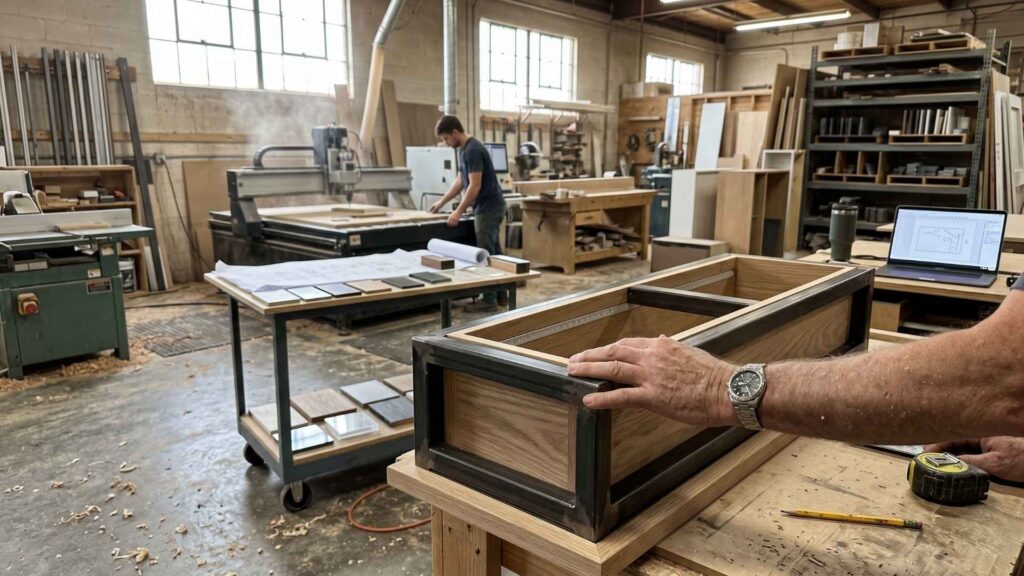
In a world obsessed with speed and innovation, there’s a quiet advantage held by companies that have simply been doing the work—day in and day out—for decades. The intersection of commercial millwork heritage and modern fabrication reveals something powerful: experience isn’t outdated, it’s a competitive edge. When projects become more complex and design intent pushes boundaries, it’s not just new technology that solves problems—it’s the depth of knowledge behind it. Why Experience Still Wins in Complex Fabrication Modern construction and fabrication projects are evolving fast. Architects are designing more ambitious spaces, materials are becoming more diverse, and clients expect both speed and perfection. That combination creates pressure—and it exposes the difference between companies that know the work and those still learning it. The Rising Complexity of Modern Projects Today’s builds are rarely straightforward. A single project might require coordination between designers, engineers, fabricators, and contractors—all working toward a shared vision. Timelines are tighter, tolerances are smaller, and expectations are higher. This complexity creates friction. Small misalignments early in a project can compound into costly delays later. That’s why experience becomes critical. Teams that understand how projects unfold in the real world can spot risks early and course-correct before problems escalate. Experience as Operational Infrastructure Experience, in this environment, becomes a form of infrastructure. It supports decision-making, reduces risk, and speeds up execution. Teams that have seen hundreds—or thousands—of projects don’t just react. They anticipate. They know which details matter most. They understand where issues are likely to occur. And they can guide clients through decisions that balance design intent with practical execution. This is where experienced firms separate themselves. They don’t just build—they advise. Applying Historical Insight to Modern Problems That’s exactly what Kyle Greenfield, president of A.F. Johnson Millwork Co., pointed to when he explained, “When somebody has a concept or an idea, it’s hard to find people who may have worked on something like it… we have such extensive knowledge… it’s pretty easy to go back and find something similar.” That ability to reference past work isn’t just convenient. It’s strategic. It allows teams to move faster without sacrificing quality. Instead of guessing, they’re applying proven solutions that have already worked in similar conditions. Over time, this creates a compounding advantage. Each project adds to the knowledge base, making future work more efficient and more precise. Why Confidence Matters in High-Stakes Work In fabrication, confidence isn’t about ego—it’s about reliability. Clients need to know that their partner can deliver, even when challenges arise. And in a field where a single mistake can delay timelines or increase costs, that kind of confidence matters. It reassures stakeholders, streamlines communication, and ultimately leads to better outcomes. Experience doesn’t eliminate challenges—but it ensures they’re handled with clarity and control. From Craft to Capability: The Evolution of Millwork The Foundation of Craftsmanship Before millwork became complex, it was precise. The early days of the industry were rooted in craftsmanship—cutting, shaping, and assembling materials with care and consistency. A.F. Johnson Millwork Co’s story begins there. Founded by Adolph Johnson, an immigrant who arrived with tools and skill rather than resources, the company grew from a simple understanding: if you can build well, people will find you. That principle still holds today. Craftsmanship is not a trend. It’s the baseline. Without it, modern fabrication becomes unstable. Materials fail, finishes degrade, and designs lose integrity. But when craftsmanship is strong, it creates a platform for growth. Expanding Into Modern Complexity Today’s commercial millwork is no longer limited to wood. It has evolved into a multidisciplinary field that blends materials, technologies, and design thinking. Projects now regularly involve: This transformation has elevated the role of millwork. It’s no longer just a finishing trade. It’s a critical part of the overall design and construction process. Greenfield captured this shift when he said, “Now we’re incorporating things like lighting and new materials to create really unique custom pieces.” That shift requires more than tools. It requires adaptability, coordination, and a deep understanding of how different elements come together. The result is a more dynamic, more creative, and more demanding industry. The Hidden Advantage of Generational Knowledge Institutional Memory as a Competitive Edge Most companies build experience over time. Few retain it effectively. That’s where generational businesses stand apart. At A.F. Johnson Millwork Co., five generations of continuity have created something rare: institutional memory that spans decades. This isn’t just about history—it’s about access to solutions that have already been tested in the real world. Greenfield described this advantage clearly: “We can say, ‘We did something like that back in the ’70s or ’80s,’ and build on it.” That mindset changes how problems are approached. Instead of starting from scratch, teams start from insight. They refine rather than reinvent. Mentorship and Skill Transfer Experience doesn’t just sit in archives. It lives in people. Long-tenured employees play a critical role in maintaining quality and consistency. These are individuals who have spent decades mastering their craft. They’ve seen projects succeed and fail. They’ve learned lessons that can’t be found in manuals. And more importantly, they pass that knowledge on. This mentorship creates continuity. It ensures that even as teams evolve, the standard remains the same. New employees don’t just learn how to do the work—they learn how to think about it. That’s what sustains excellence over time. Relationships Drive Real Growth Moving Beyond Price-Driven Work For years, the construction industry has leaned heavily on competitive bidding. The lowest price often wins. But in complex fabrication, that model has limitations. Quality, reliability, and communication are becoming more valuable than cost alone. Clients want partners who can deliver—not just proposals that look good on paper. Greenfield emphasized this shift when he said, “We want to deliver such a great product that clients keep coming back.” That philosophy reframes success. It’s not about winning one project—it’s about earning the next one. Trust That Travels One of the clearest indicators of trust is when clients bring you along. As contractors grow and take on projects in new
Commercial Millwork Services: Design, Fabrication & Installation Guide (2026)
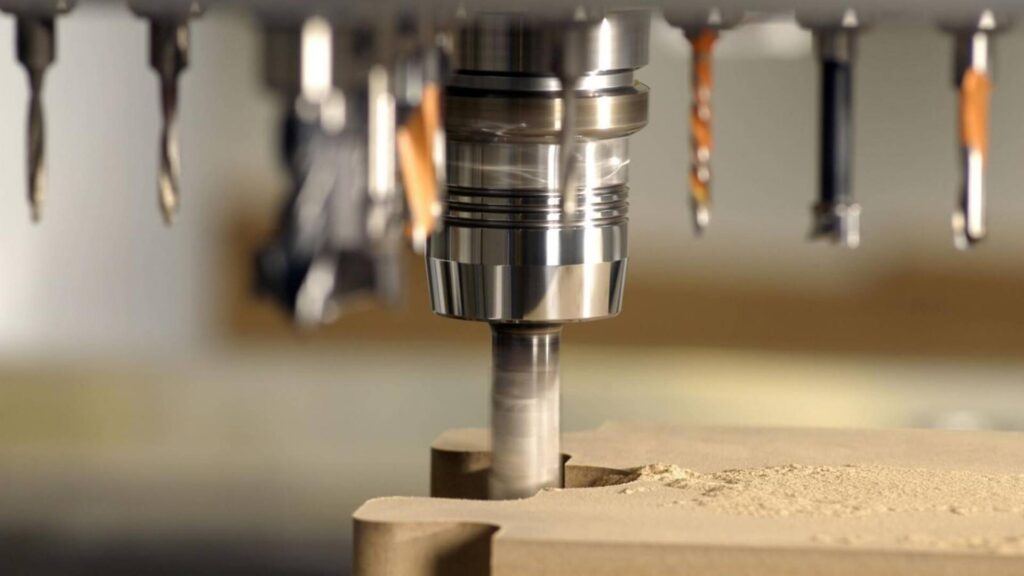
What Are Commercial Millwork Services? A Complete Guide for Modern Projects When planning a commercial space—whether it’s a corporate office, healthcare facility, or hospitality environment—millwork plays a critical role in both functionality and aesthetics. But what exactly are commercial millwork services, and why do they matter? This guide breaks down everything you need to know—from concept to installation—so you can make informed decisions for your next project. What Is Commercial Millwork? Commercial millwork refers to custom-built woodwork and architectural elements designed specifically for commercial environments. This includes: Unlike residential woodworking, commercial millwork is engineered for: What Do Commercial Millwork Services Include? A full-service millwork company typically handles everything from design to installation. 1. Concept & Design Collaboration Millwork projects begin with collaboration between: Using advanced tools like CAD and 3D rendering, teams can visualize the final product before fabrication begins. 2. CAD Drawings & 3D Renderings Detailed technical drawings ensure: 3D renderings allow stakeholders to: 3. Budgeting & Project Planning A professional millwork partner provides: This step is critical for keeping large-scale commercial projects on schedule and within budget. 4. Fabrication & Manufacturing Fabrication combines advanced machinery with expert craftsmanship. Modern facilities use: This ensures consistency across large-scale builds. 5. Installation & Project Management Installation is where everything comes together. Experienced teams: Strong project management minimizes delays and disruptions. 6. Warranty & Quality Assurance Top-tier millwork companies back their work with warranties and industry certifications. Look for providers that follow AWI (Architectural Woodwork Institute) standards, which ensure: Why Commercial Millwork Matters High-quality millwork directly impacts: ✔ First Impressions Reception areas, feature walls, and custom finishes define how customers perceive your brand. ✔ Functionality Well-designed cabinetry and storage improve workflow and efficiency. ✔ Longevity Durable materials reduce maintenance and replacement costs over time. Industries That Rely on Commercial Millwork Commercial millwork is essential across multiple sectors: Each industry requires tailored solutions based on usage, compliance, and design goals. How to Choose the Right Millwork Company Not all millwork providers are equal. Here’s what to look for: Final Thoughts Commercial millwork is more than just woodworking—it’s a strategic investment in your space’s performance, durability, and visual impact. Choosing the right partner ensures your project is executed with precision, efficiency, and lasting quality.